DM-X CBM · Philippine Energy Independence
DM-XTech is building the Philippines' first vertically-integrated Azolla-to-Compressed BioMethane system — a scalable, domestically-produced LPG substitute priced at BTU parity with imported LPG, but with all inputs peso-denominated and immune to import shocks.
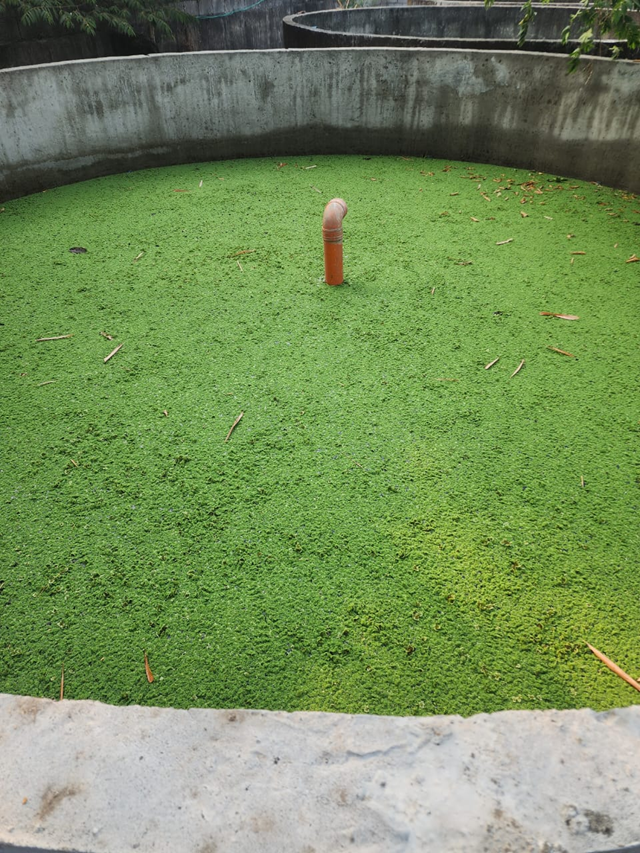
Dense mat · Tank A
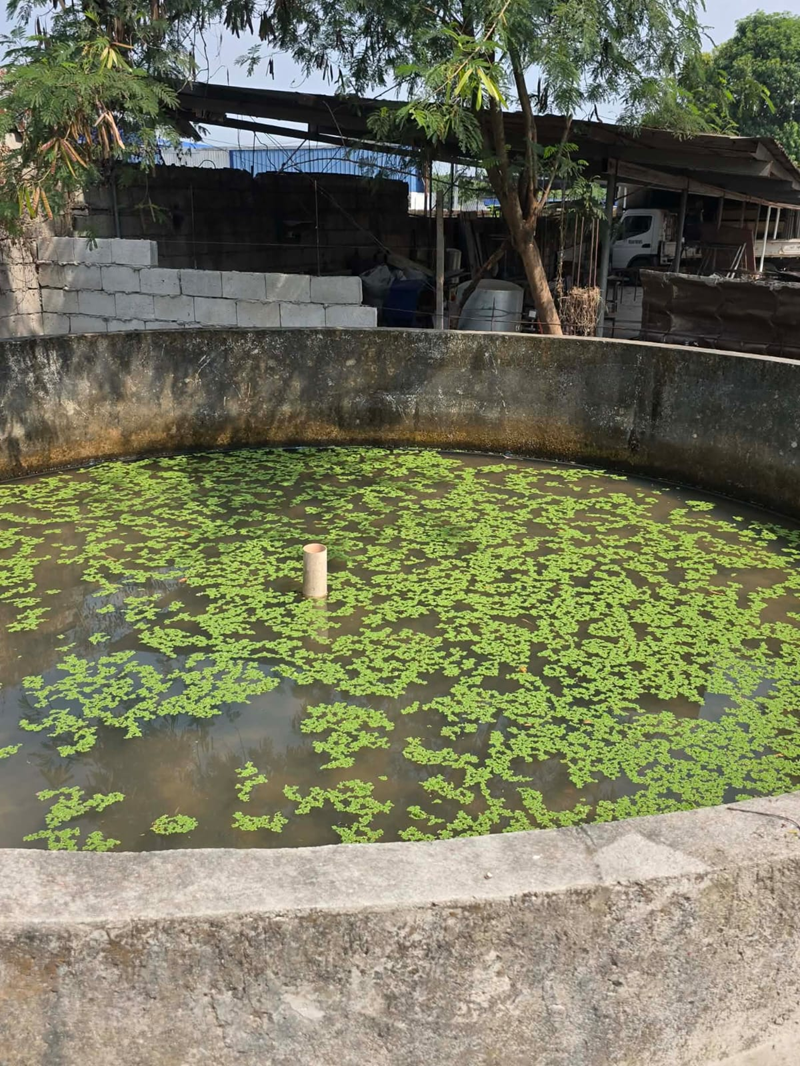
Tank D · Active
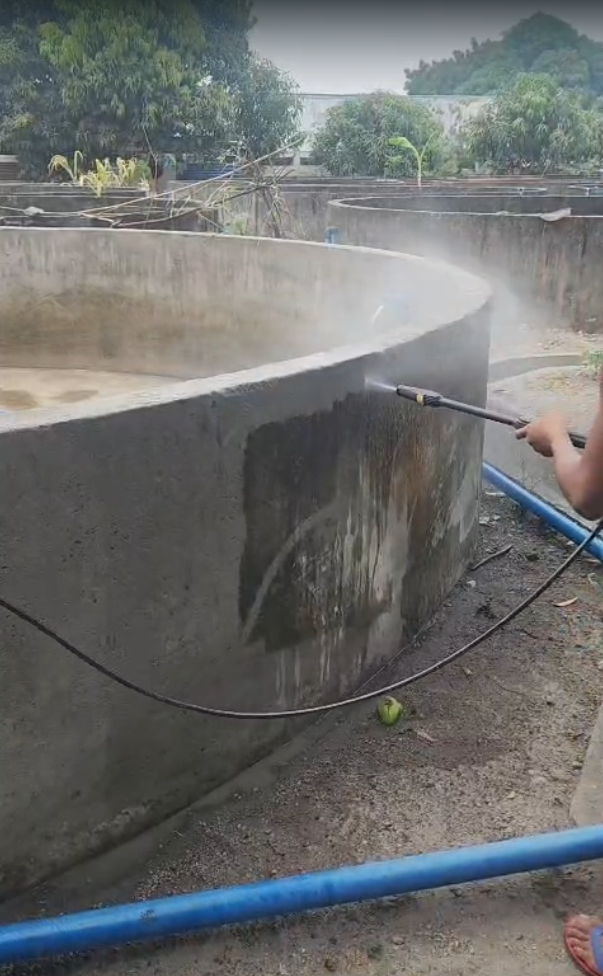
Biodigester prep
For a time-pressed reader — a credit analyst triaging twenty proposals, a policy officer scanning DOE submissions, or a potential strategic partner — here is the entire proposition in three columns: the ask, the returns, the impact. Every number below links to the page where it is derived and defended.
DM-X CBM is not fossil fuel. The CO₂ released when a Filipino household cooks with it is the same CO₂ that was pulled from the atmosphere four weeks earlier by a growing azolla fern. No new fossil carbon enters the cycle. No net emissions reach the atmosphere. Click any stage to explore.
Why this matters for carbon markets: The biogenic carbon cycle makes DM-X CBM eligible for Gold Standard Verified Emission Reductions (VERs) under the methodology for biomethane displacing fossil LPG. Each tonne of LPG displaced represents approximately 3.0 tonnes of avoided CO₂-equivalent — independently auditable and countable against Philippine Nationally Determined Contributions.
The conflict between the US/Israel and Iran has placed the Strait of Hormuz — the chokepoint through which a large share of Philippine LPG imports pass — under persistent geopolitical risk. Simultaneously, the prolonged Russia-Ukraine war continues to distort global energy markets, driving LPG spot prices to levels that impose real hardship on Filipino households.
The Philippine government has issued a call for domestic solutions. DM-XTech is answering that call.
Read the full crisis analysis →of Philippine LPG arrives via Asian refineries dependent on the Persian Gulf (PIA / DOE, March 2026)
Range across brands · actual prices rise with every FX and geopolitical shock. Model conservatively references ₱65/kg.
Filipino households depend on LPG for daily cooking — roughly half of all households
Priced at BTU parity with LPG — same cost per usable BTU, but stable in pesos and immune to FX shocks
18 concrete tanks at the current site. 16 active azolla cultivation, 2 being converted to sealed biodigesters. The full azolla → biogas → CBM chain proven at bench scale. Active now.
01DM-XTech leases shallow wetland, rice paddy, and fish-pond land from surrounding landowners at ~₱47,500/ha/year. Cultivation is conducted by DM-XTech's own teams — no third-party farmer supply, no spot-market price exposure. Feedstock locked at ₱0.40/kg equivalent.
02Deploy across 525 hectares of leased farmland in the Bicol region. If financially validated, the same blueprint replicates in every agricultural province nationwide — at the Phase 4 target of 100 hubs by 2040, approximately 1.6% of Philippine LPG imports can be displaced.
03This document is prepared for dual submission — as a bank loan application and as a Philippine government policy response. It also serves operators and interested citizens. Select your role below to see the recommended reading path, the numbers that will matter to you, and a concrete next step.
This proposal is designed to be genuinely bankable. Year-by-year debt service coverage is above the standard 1.25× minimum in every year of the loan. The ~36% equity IRR is computed after 25% CIT with in-house land-rental cultivation cost fully loaded — nothing in the deal depends on a tax holiday, upside from carbon credits, or other revenue that is not independently verifiable at underwriting.
The full Excel financial model with live sensitivity tables is available for credit review. An embedded interactive version is linked from the Economics page.
The Philippines imports over 85% of its LPG, creating a persistent balance-of-payments drag and exposing the economy to Middle East geopolitical risk. DM-X CBM is 100% domestically produced from azolla grown on leased Philippine farmland, cultivated by Filipino workers, compressed using Philippine electricity. Every Nm³ sold is one Nm³ of LPG the country does not need to import.
At Phase 4 deployment of 100 hubs by 2040, the program displaces approximately 1.6% of annual Philippine LPG imports — structurally small but measurable, with Gold Standard-eligible emissions reductions countable against Philippine NDC commitments.
The plant uses nothing exotic. Pressurized Water Scrubbing is the simplest and most reliable biogas upgrading technology available — no solvents, no membranes, no chemical regeneration. Standard ASME-code pressure vessels, off-the-shelf oil-free reciprocating compressors, standard PLC controls. The full Engineering Design Document is available on request.
An interactive P&ID on the Biodigester page lets you click any unit to see its datasheet, stream composition, and operating parameters.
DM-X CBM works in any existing LPG stove. The cylinders look the same, connect to the same regulator, and cook food the same way. What changes is that the fuel no longer comes from the Middle East — it comes from shallow paddies in rural Philippines, grown by Filipino workers on land leased from Filipino landowners, paid for in pesos.
The price today is the same as LPG for the same cooking output. The difference is long-term stability — and the fact that every peso spent stays in the Philippine economy.